
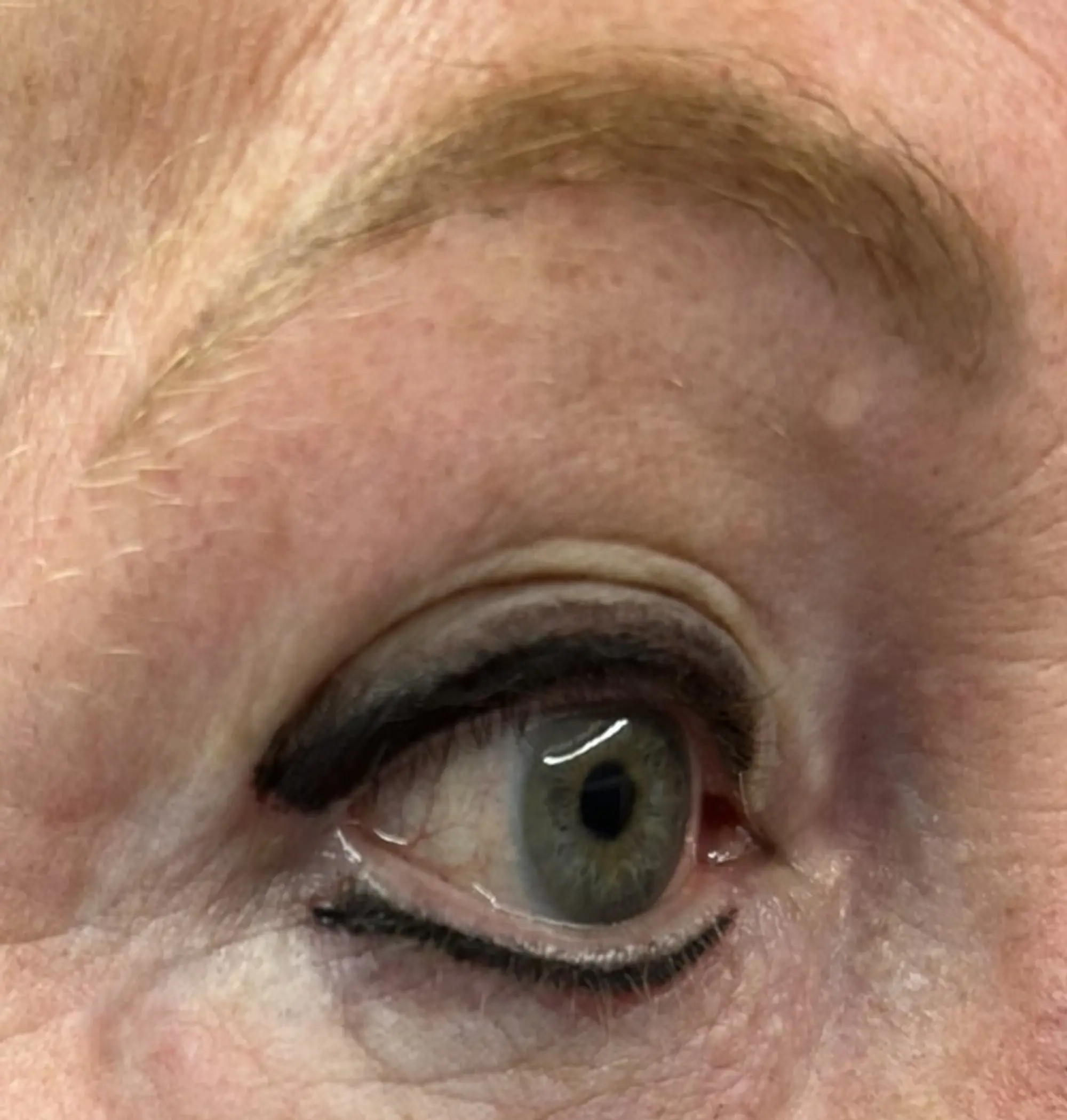
MRI safety and eyeliner tattoos? It’s a concern that pops up regularly, and the simple answer is: most modern permanent makeup eyeliner tattoos aren’t a major issue in MRIs, but some people may feel a bit of warmth, tingling, or general discomfort, depending on the type of pigment used and the tattoo itself. So – and this can’t be stressed enough – always let the radiology team know about your tattoo before you head in.
At Cosmetic Tattoo Studio Brisbane Face Figurati, this is a common worry for our clients who’ve got no complaints about their tattoos but suddenly need a scan for some reason or other. The good news is, in most cases, it’s not a problem. And the even better news? Choosing a good studio in the first place can save you a lot of hassle down the line.
Why This Topic Matters More Than People Think
MRI works using strong magnetic fields and radio waves – but no X-rays. The thing is, some tattoo inks might contain iron oxides or other minerals that can cause a reaction during scanning.
A lot of people either assume it’s a huge risk or no risk at all. In reality, reactions are usually pretty minor – if they happen at all. What catches our clients off guard is that they weren’t given the right info when they got their tattoos years ago.
We’ve had clients turn up saying, “I don’t know what kind of ink was used, I just booked the cheapest place” – and that’s where you start to have problems: usually not with the ink itself, but with dodgy records, rush jobs and no aftercare or product info.
What You May Notice During The Scan
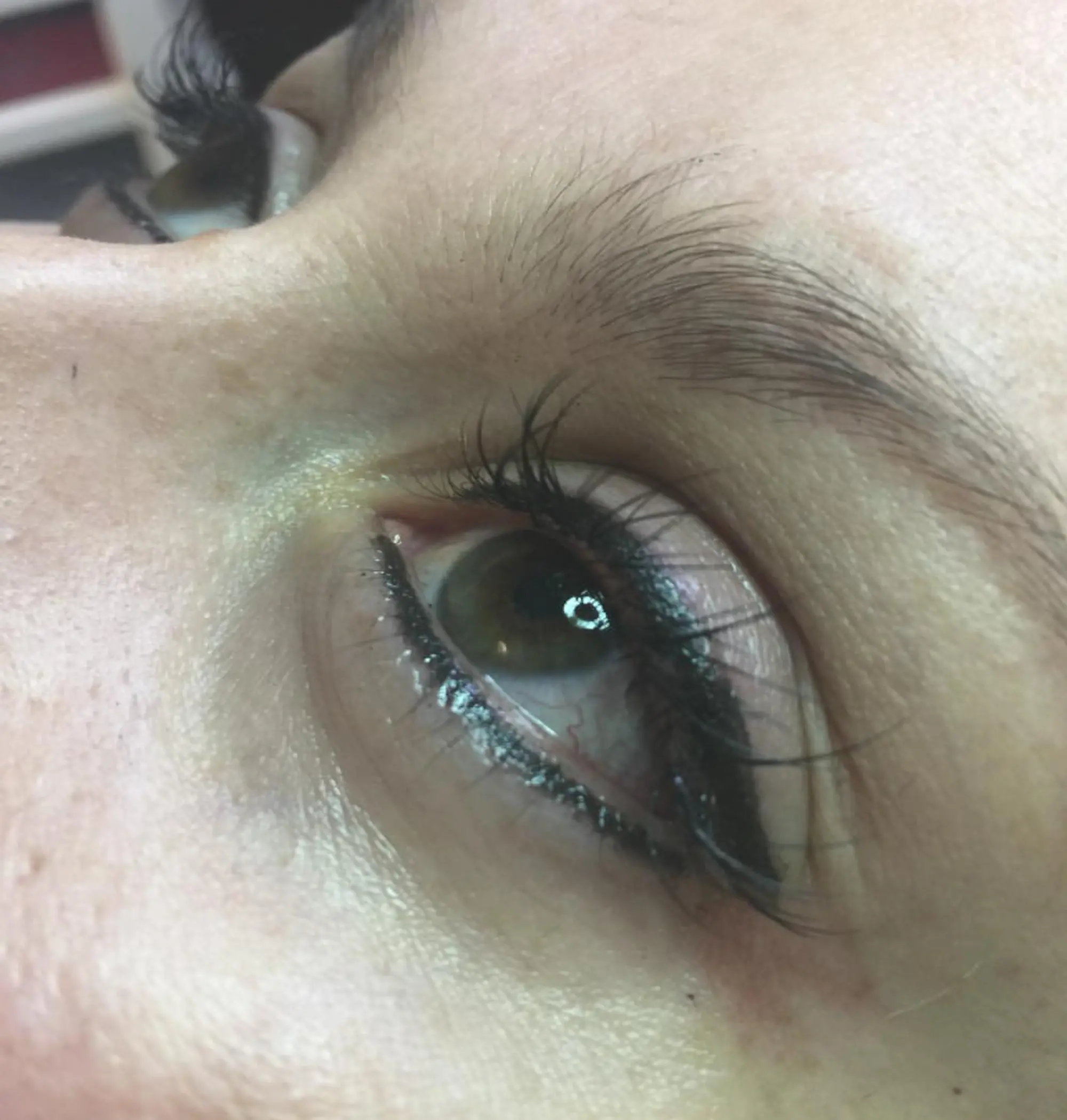
The radiology team will likely ask if you have any tattoos, implants or cosmetic work – so let them know about your eyeliner tattoo every time, no matter how long ago you got it.
In our experience, most people are completely fine. Some people might feel a bit of warmth around the eye area. One client had a faint tingling sensation from a really old-school black liner during a facial scan, but the technician just asked how she was doing and carried on safely.
Another client had a knee MRI with modern lash enhancement and didn’t feel a thing: different ink, different scan zone – different result.
Expectation Vs Reality
| Expectation | Reality |
|---|---|
| “MRI means I can’t have eyeliner tattooing.” | Most clients still can have scans safely with disclosure. |
| “All pigments are the same.” | Pigment ingredients and quality vary widely. |
| “If it was years ago, it doesn’t matter.” | Older tattoos are often the ones clinics ask about most. |
| “A tiny tattoo can’t affect imaging.” | Small tattoos near the eye area can still matter for facial scans. |
Who Benefits Most — And Who Should Pause
This treatment is best suited for people who have soft, very light lashes that nearly disappear, watery eyes that smudge makeup all over the place, or who just don’t have the time/energy for eyeliner on busy mornings.
Now, it won’t be a good fit for everyone right off the bat. We tend to put off treatment for clients with active eye infections, uncontrolled medical conditions, those who’ve recently had eye surgery, or those with severe dermatitis around the lids. And of course, there are those people who think they want the works and have unrealistic expectations – or are trying to get dramatic, liquid-liner results on the first attempt.
If someone comes to us and says, ” I just want a super-dark, super-sharp line that doesn’t smudge, needs no touch-ups, and lasts forever…” we figure we need to have a bit longer chat.
Real Appointment Timing And Recovery Planning
This is where most online advice lets people down – it just isn’t practical.
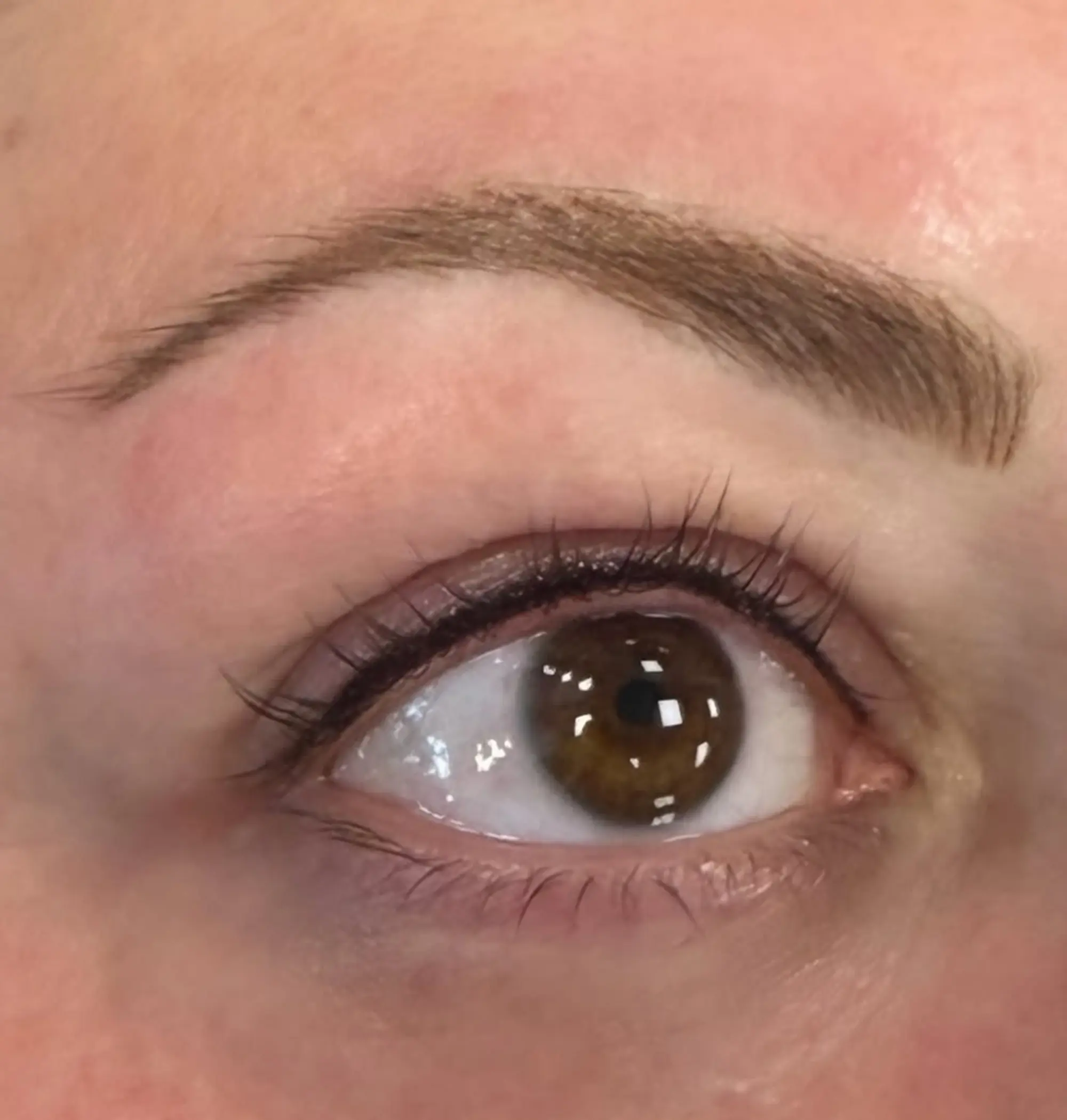
In Brisbane, we’re usually looking at 2 to 3 hours for an eyeliner tattoo appointment – that’s consultation, mapping out the design, talking about colours, getting numb, the actual treatment, and getting set up with aftercare.
Most people need two sessions to get the best out of it. The second appointment is usually scheduled 6 to 10 weeks later, depending on how well it’s healed.
Now, for some people, you can go back to work the very next day, especially if you’re just doing some light lash enhancement. But, for some others, swelling can take 24-48 hours to fade – so if you’ve got a wedding or a corporate photoshoot or something the next morning, poor timing can make for a pretty crumby day.
At Cosmetic Tattoo Studio Brisbane Face Figurati, we advise people to book with their heads on straight, not on a whim.
Healing In Real Brisbane Conditions
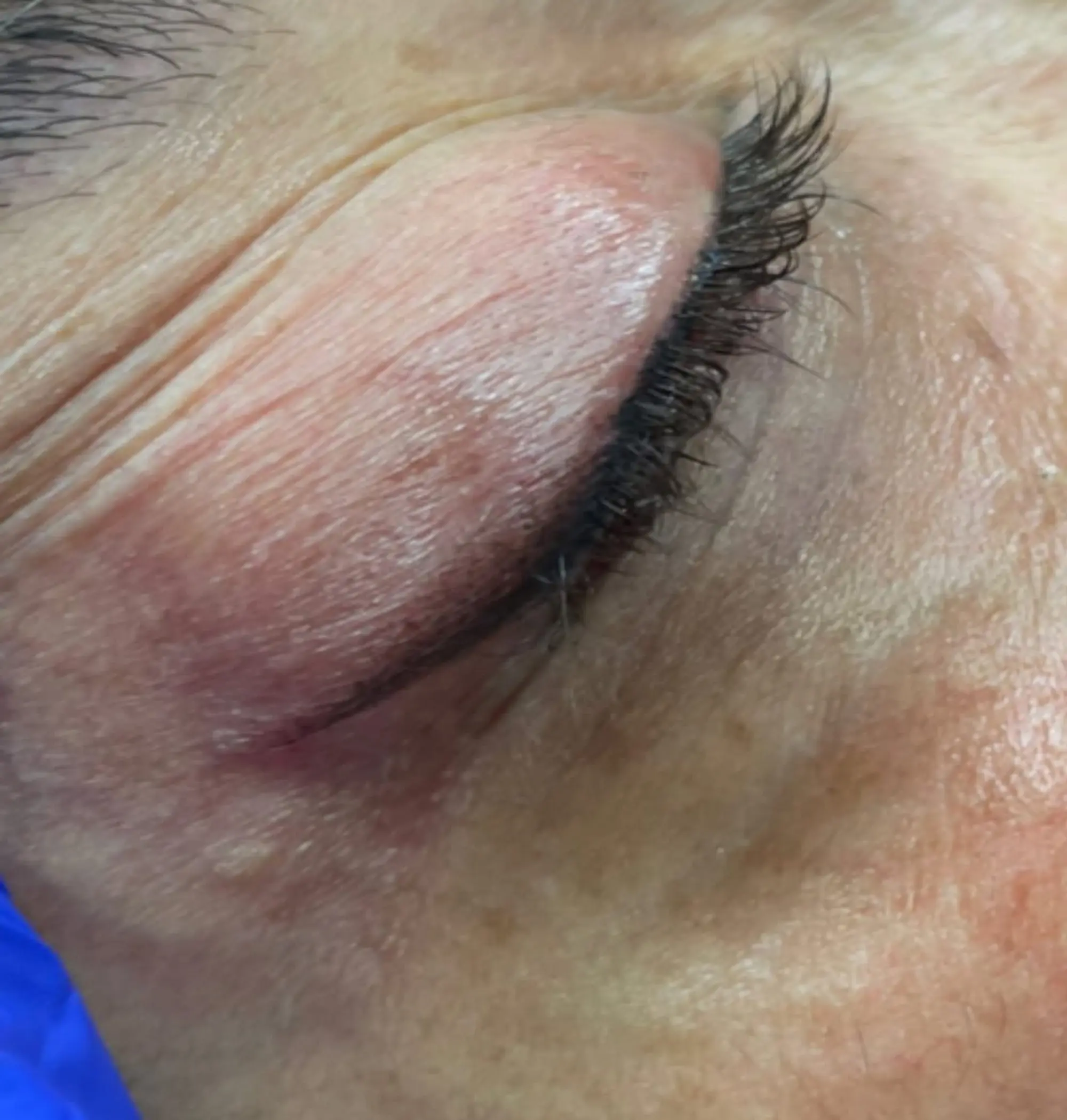
The thing about healing is, it’s never one-size-fits-all. If you’ve got oily skin, you’re sweating buckets, you’re getting poor sleep, you’re getting sun exposure, you’re rubbing your eyes all the time, or you’re ignoring aftercare – it’s all going to start affecting the results.
Realistic Healing Stages
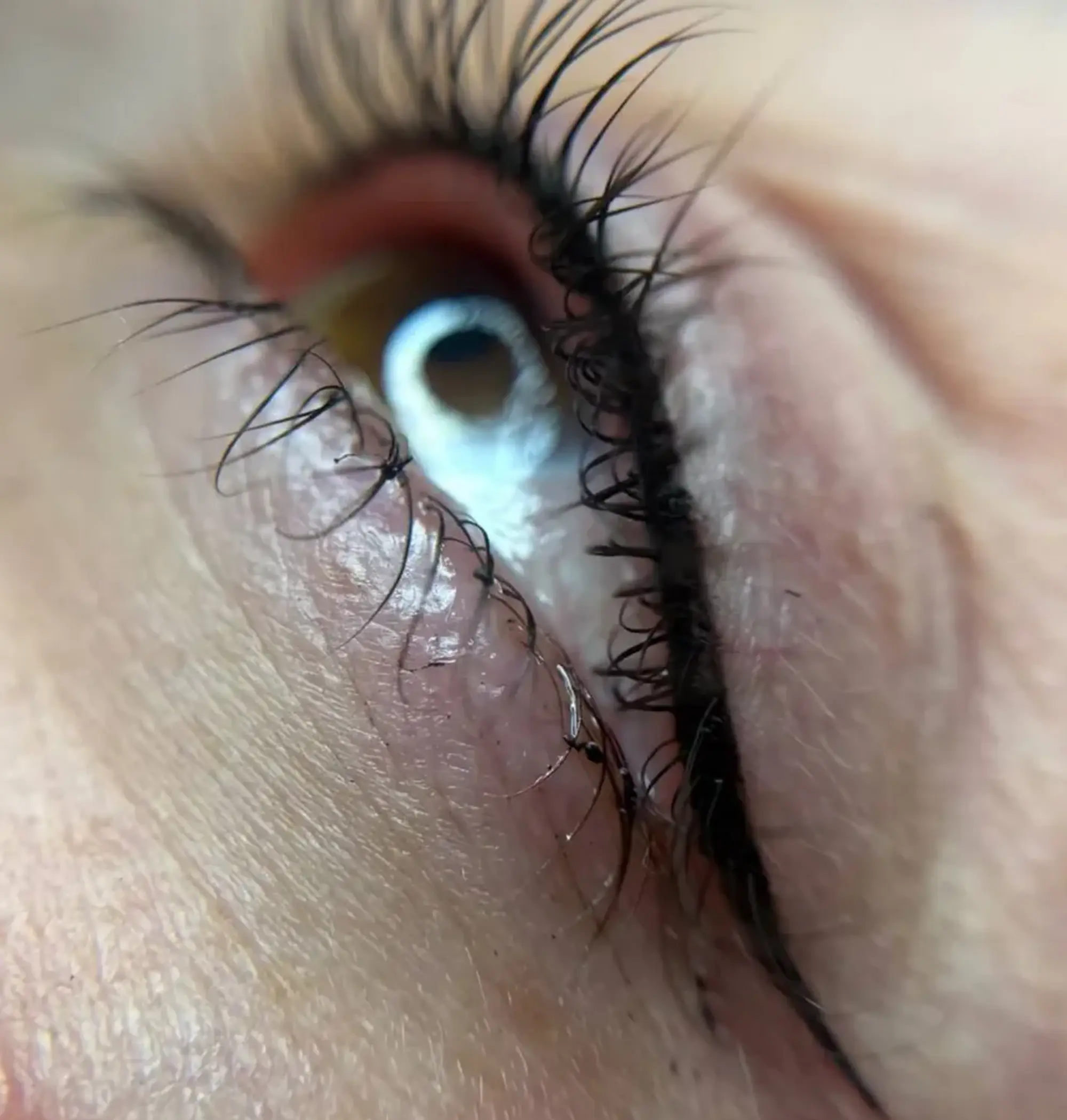
| Timeframe | What Usually Happens | What Can Change It |
|---|---|---|
| Day 1–2 | Mild swelling, darker line, tenderness | Sensitive skin, salt intake, crying (yes, really) |
| Day 3–5 | Tightness, flaking, patchy look | Picking, gym sweat, steam |
| Week 2 | Colour looks lighter than expected | Normal settling stage |
| Week 4–6 | Pigment returns softer and more even | Skin type, pigment choice |
| Week 6–10 | Touch-up window | Needed for most clients |
What catches clients off guard most? The line often looks bolder immediately, then lighter, then more balanced later. They panic in the middle stage. We spend half our careers reminding people to trust healed results, not day-three drama.
What To Expect After Cosmetic Tattooing Scan
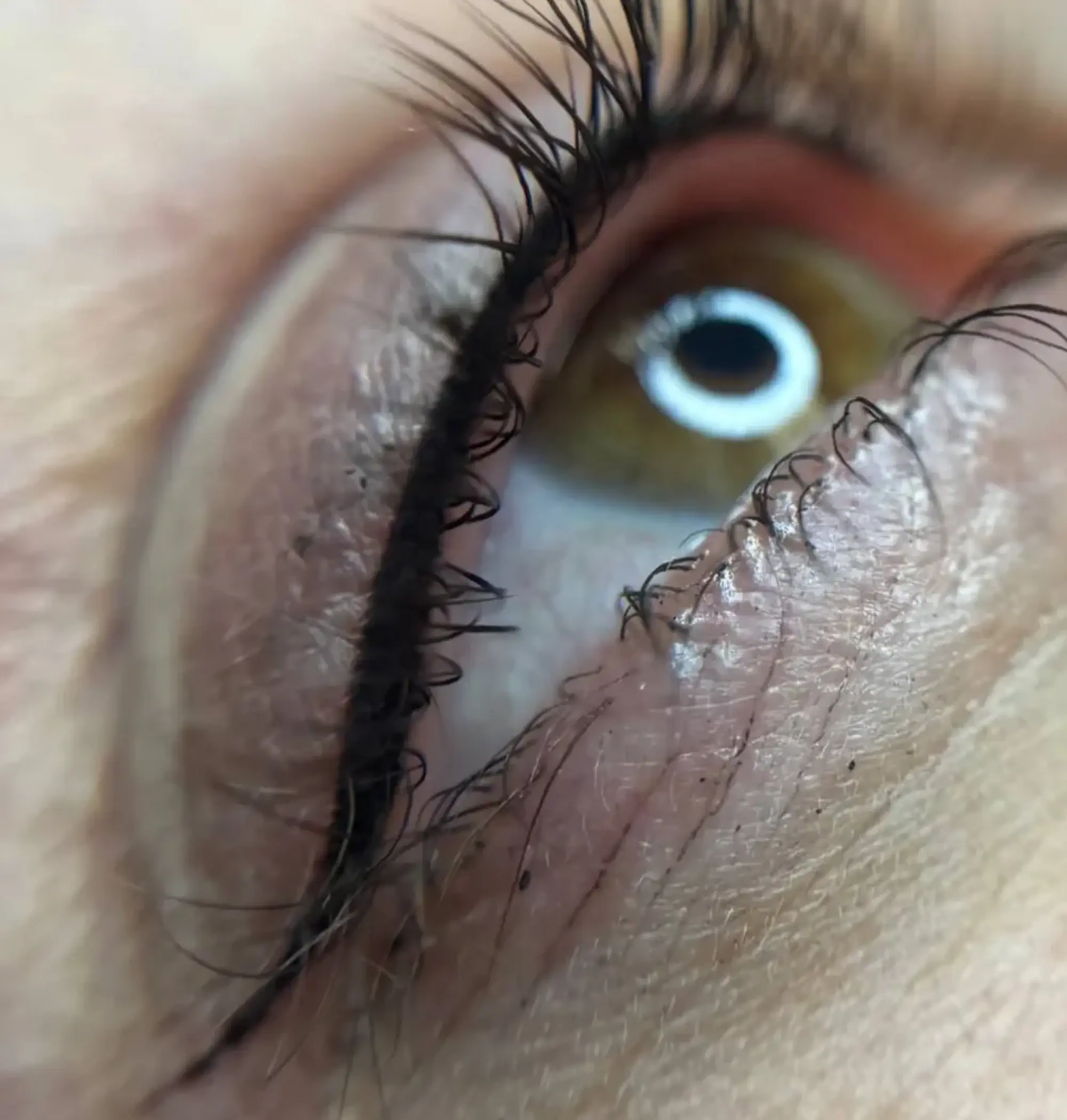
You’ll likely have some questions when getting a scan, so be prepared to fill out some paperwork before the radiology clinic starts. Be upfront about that eyeliner tattoo – even if it was done years ago.
They’ll probably ask you some questions, such as:
- When was it done?
- Was it permanent makeup or just a decorative tattoo?
- Have you ever had any adverse reactions to tattoo ink?
- Are we talking about a scan of the head and face or another part of the body?
- Have you had any tattoo removal or lightning treatment?
Depending on the specifics of the situation, the MRI tech may keep a closer eye on you, provide a cold pack if needed, or stop the scan if you start to feel uncomfortable.
Real Client Example From Our Studio
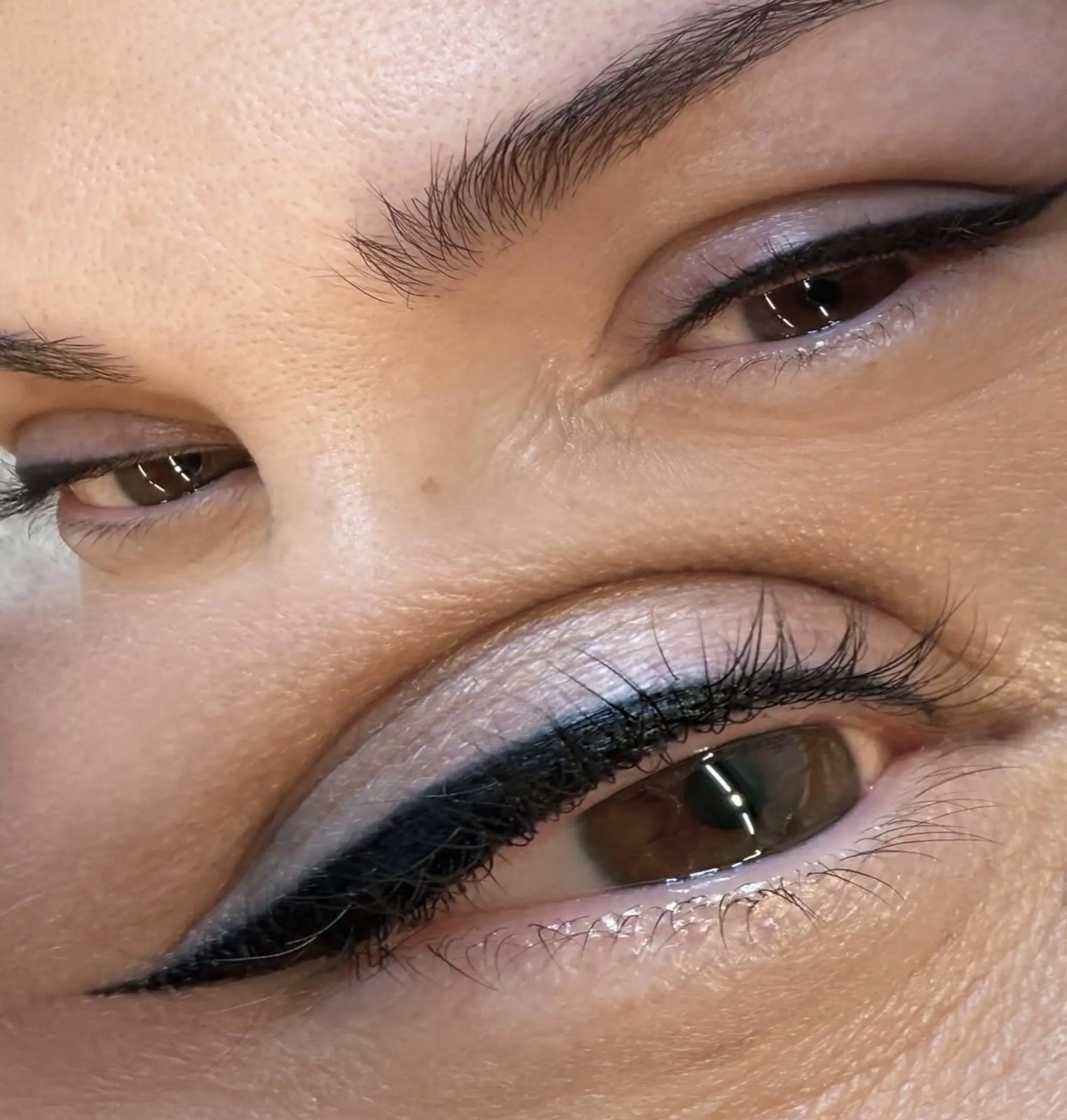
One client had soft lash enhancement done elsewhere a few years ago, then came in for a sinus MRI after reading some pretty scary stories online. We notated the tattoo, took our time, and she had no issues at all.
On the other hand, a client with an old tattoo of really dense black eyeliner reported feeling a bit warm during a facial-area scan. But as soon as she mentioned it, the discomfort stopped. Everyone’s experience with tattoo ink is different, so there’s no point in giving blanket answers.
Can Tattoos Affect MRI Results?
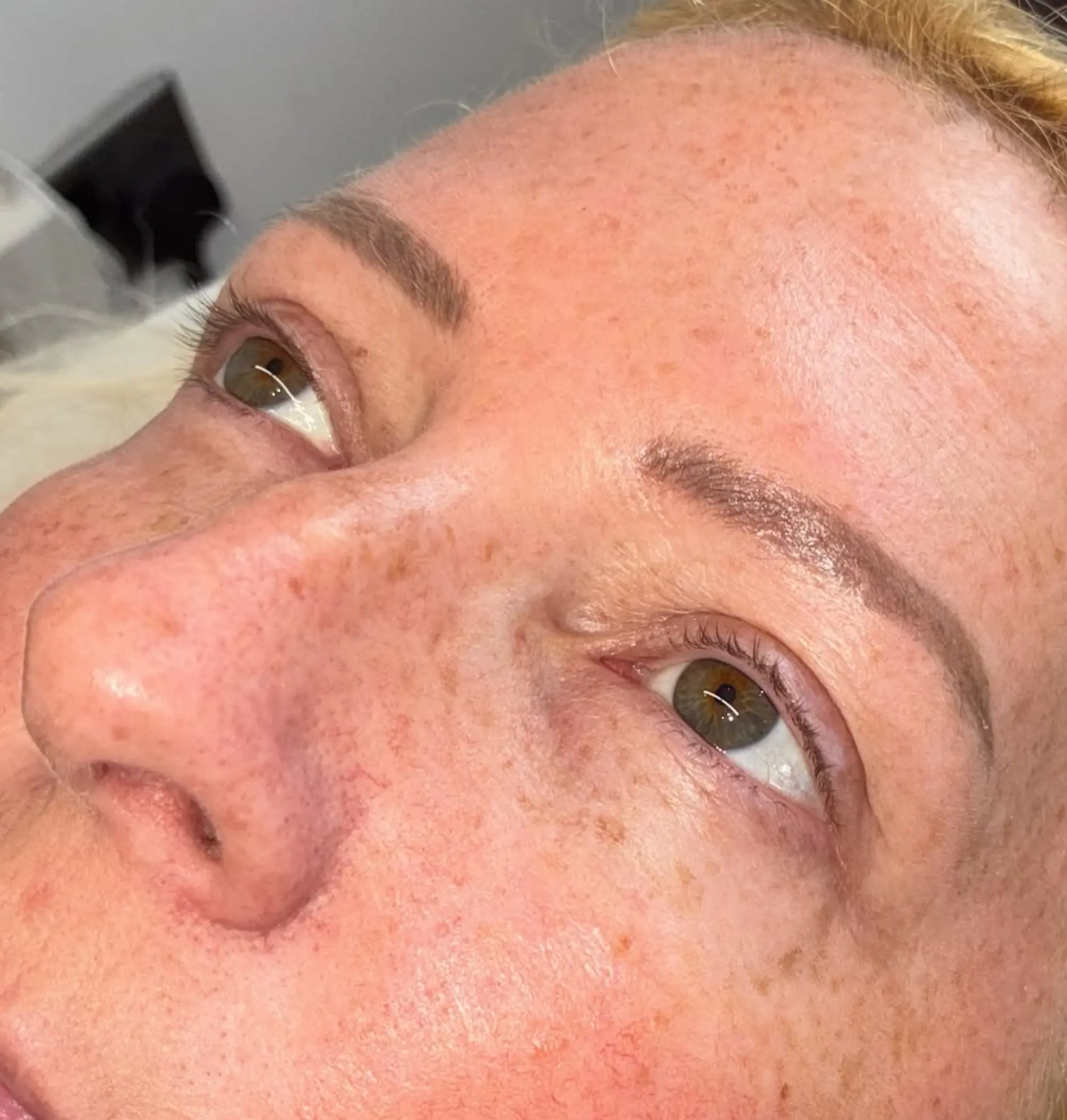
It’s possible, but it mostly depends on where the scan is taking place.
If you’re having an MRI in the following areas:
- Knee MRI – eyeliner tattoo unlikely to matter much
- Shoulder MRI – usually low relevance
- Brain/orbitan / sinus MRI – more relevant because it’s near the imaging zone
Some tattoo inks can cause artifacts or shadowing near the eyelids. If you’re getting a head or eye-region scan, make sure to mention the tattoo right away. It helps the radiographer plan the exam properly. In cases where you might be investigating a suspected ciliary body melanoma, imaging accuracy is super important.
What Most People Get Wrong
A lot of clients assume one of two extremes:
Myth 1: “All eyeliner tattoos are dangerous in an MRI.”
Not necessarily – plenty of people with cosmetic tattoos have MRI scans without any issues.
Myth 2: “If it healed fine, MRI doesn’t matter.”
That’s not true either. Healing and magnetic resonance reactions are two completely different things.
Myth 3: “Only big body tattoos matter.”
Not always. A small tattooed eyeliner can still be a problem – it’s right next to some delicate tissues and important imaging zones.
Myth 4: “The clinic doesn’t need to know.”
Actually, they really do need to know.
What We Recommend Before You Book
If you’re already scheduled for regular MR imaging for a medical condition, be sure to mention it to your artist before treatment. This way, we can help guide your pigment choice, planning, and technique, and make sure you’ve got all the information you need to make an informed decision.
In our studio, we’d rather have an upfront conversation before treatment than just pretend every client has the same needs.
Pre-Appointment Checklist
Before getting eyeliner tattooing, make sure to mention:
- The radiology exams you’ve got coming up
- Any history of eye surgery
- Any allergies or past allergic reaction issues
- What tattoo pigments are being used
- How are you going to take care of the tattoo after treatment
- Ask for aftercare records and guidance on what to do if you have any problems
- Make sure you’re getting the treatment from an experienced cosmetic tattoo artist
- Ask the manufacturer if their pigments have any medical relevance.
And if you’re in the Brisbane area, be prepared for eyeliner tattooing prices to range from AUD $450 to $900+, depending on style, artist experience, the need for touch-ups and corrections, your tattoo and what’s included in the package.
Final Advice From The Studio
MRI safety with eyeliner tattoos is pretty simple: just be upfront about your tattoo, choose a good artist, and don’t expect perfection. Most of the issues we see aren’t actually caused by the MRI itself – it’s because the tattoo was shoddily done, there’s no record of it, it healed too quickly, or the cheap option looked great for a month but then started to fall apart.
If you’re thinking about getting eyeliner tattooing in Brisbane – or you’ve got some older work and are looking for some straight-shooting advice – give us a shout before you start making decisions. We’d rather help you avoid problems now, rather than trying to fix a mess later down the line – trust us, we’ve heard it all.
FAQ
Will a cosmetic eyeliner stop me from having a scan?
Not usually. As long as you tell the clinic about the tattoo and they do a proper screening, you’re good to go.
Is warmth around my eyelids normal?
Sometimes you might get a bit of warmth in the area – nothing to worry about. If it’s uncomfortable, though, let the staff know straight away.
When’s the best time to schedule a scan after treatment?
Really, it’s best to wait for the area to heal before going in for a non-urgent scan – unless your doc says otherwise.
Will one appointment give me the finished look?
It might give you a good starting point, but people usually need a follow-up session to get the results they want.
Is the procedure actually painful?
People usually say it’s a bit weird or itchy – like being scratched – rather than actually painful. And that’s especially true if you get the numbing stuff.