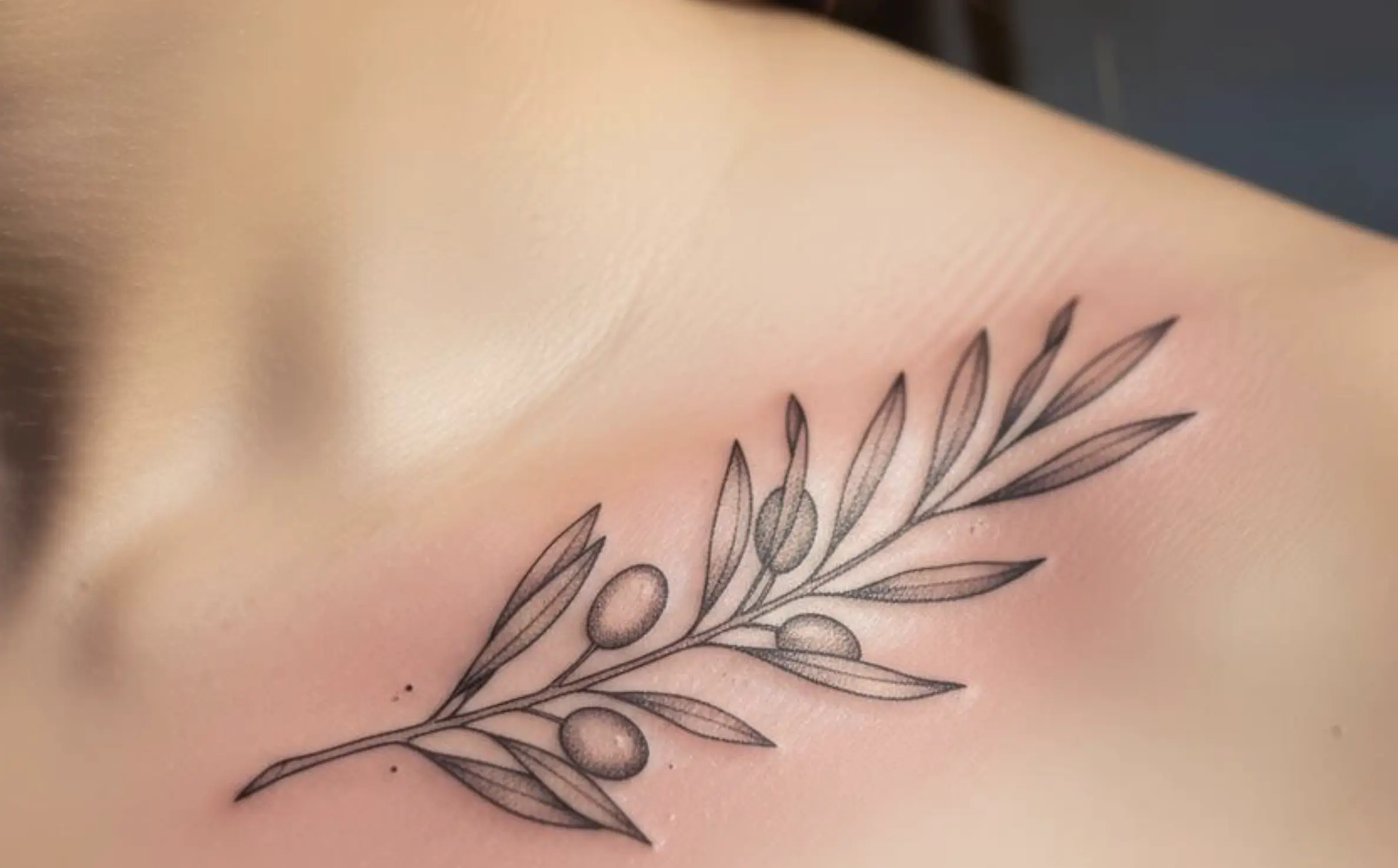
Here’s the truth, though: Can you transition from brows to fine-line? This is the question almost every cosmetic tattoo artist asks themselves – usually right after they’ve mastered brow work and start feeling that itch for something new. As someone who’s been tattooing faces around Melbourne since 2016 – and as the founder of Cosmetic Tattoo Melbourne (my studio) – I’ve had heaps of artists walk in and ask: “Olha… am I actually allowed to do this? Do I have to start again from scratch?’
Let me put you at ease: this transition is not only possible, but it’s also one of the most natural steps forward in our industry. And in many cases, your brow skills become your secret power when you shift into delicate, fine-line artistry. You’re not starting over, you’re just levelling up.
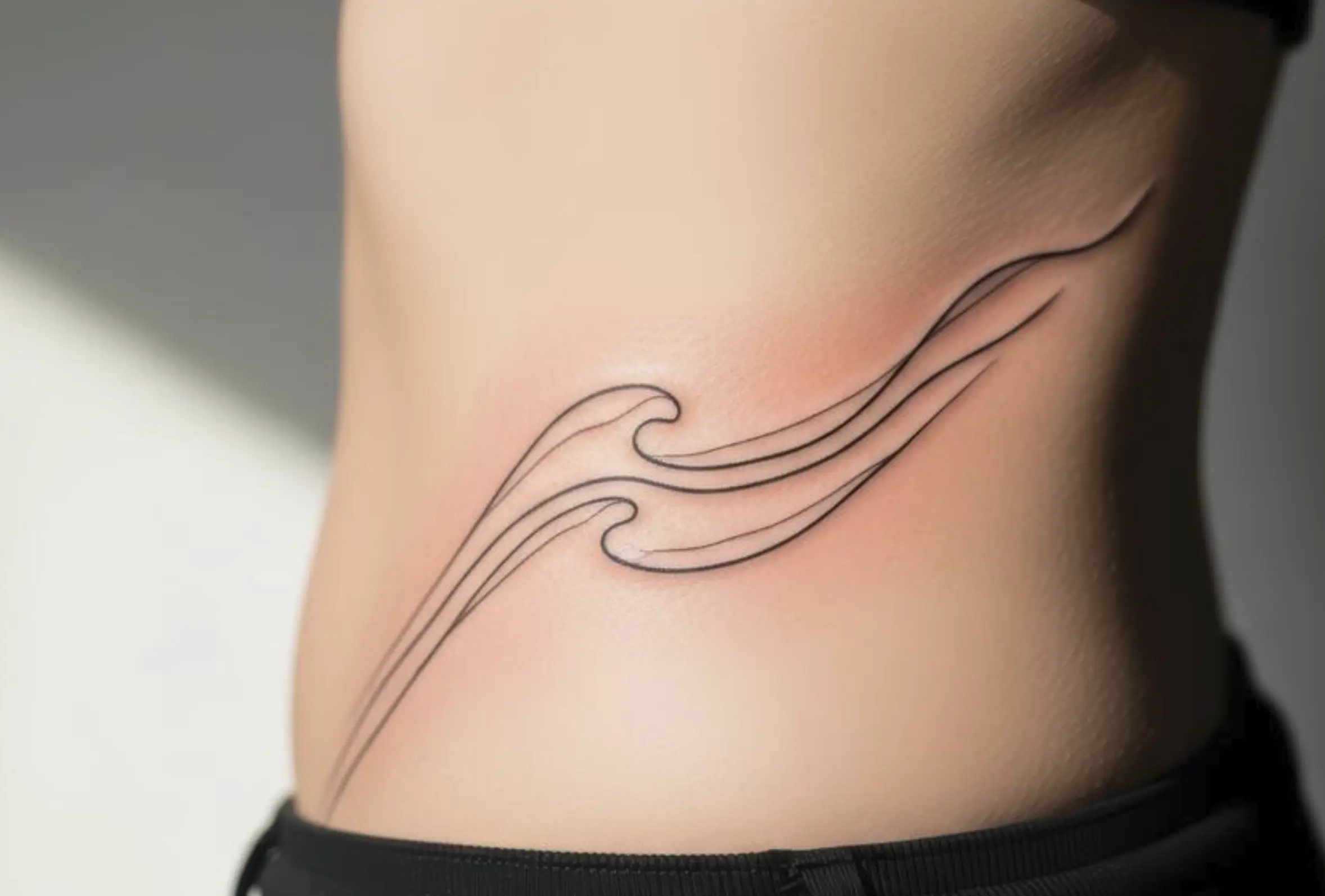
Why Your Existing Skills Give You an Advantage
If you’ve survived your first year of brow tattooing – especially after going through proper microblading training and dealing with Melbourne’s rough humidity, that flaky winter skin and clients who swear they “won’t move” (only to twitch with every stroke) – you already have most of the qualities a fine-line artist needs. Loads of our Cosmetic Tattoo Melbourne clients remind me how much precision PMU artists already possess.
Working with brows – especially styles like eyebrow feathering– trains your eye for teeny weeny details and teaches you how to work with delicate skin without causing trauma. You understand skin. You get pressure. You know how pigment settles in tiny connective tissue spaces.
For any brow artist looking to take their career to the next level, booking a fine line tattoo course with Face Figurati is often the best way to bridge their PMU skills with new body-focused ones.
Key Changes When You Upskill
The shift seems bigger than it actually is. Most artists think they’ll need to relearn tattooing from the ground up, but really, you’re expanding your skills, not starting again. The main differences pop up in three areas: canvas, tools, and technique.
1. The Canvas
Fine-line artists work on your body – arms, ribs, ankles, wrists, the whole lot. In our Cosmetic Tattoo Melbourne consultations, clients often pick spots that show through winter coats or sit under jewellery.
2. The Tools
Most brow artists use digital PMU devices. Fine-line uses coil or rotary machines & sometimes a super-light precision tattooing pen for practice – with stronger motors and longer stroke lengths.
3. The Technique
Brows are all about shading or delicate hair strokes. Fine-line’s all about drawing super clean, uninterrupted lines. If your current brow work accounts for symmetry and face architecture, you’ll feel pretty at home with some parts of fine-line artistry.
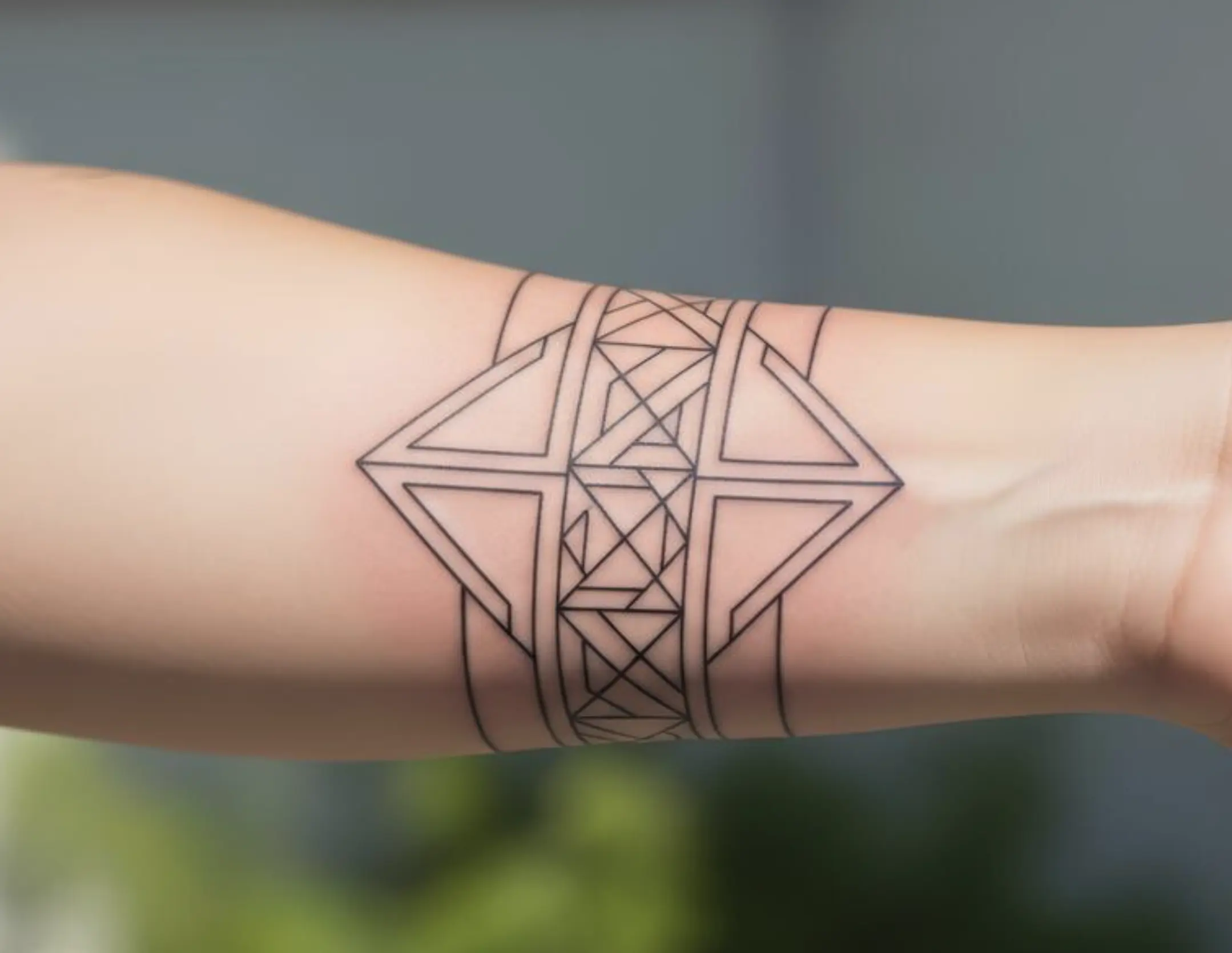
What Transfers and What Doesn’t
When I made the switch to permanent makeup myself, I had this moment of clarity where I suddenly realised just how darn close these two crafts actually are. Below is a rundown I’ve shared with new artists in my studio a fair few times.
Skills You Already Have:
- You’ve no doubt got a solid understanding of hygiene and cross-contamination – that’s essential anywhere you’re working with skin.
- You’re probably used to working on delicate areas with care – that’s a huge plus in PMU.
- Your hand control and needle awareness are likely spot-on – you’ve already got the fine motor skills to handle a needle.
- You probably have an eye for proportion and can handle tiny details – those are both crucial in PMU.
- And let’s not underestimate the importance of patience – that’s maybe the most underrated PMU skill of all.
Skills You’ll Need To Learn:
- You’ll need to get up to speed on machine stroke mechanics – it’s not just a matter of switching tools.
- Line work is a whole different ball game in PMU – you’ll need to learn the fundamentals from scratch.
- Skin stretching is a key part of PMU, so it’s important to learn how to do it on different body areas.
- Ink saturation is another area where understanding the principles will make all the difference.
- And aftercare – well, you can’t just take the same approach for PMU and body tattoos, that’s for sure.
Tip From My Studio:
Once I figured out the basic mechanics of my machine and how to just relax and let it do its thing (i.e. stopped trying to flick, tap and lift!), my lines suddenly got a whole lot better. Artists who’ve done our fine line tattoo course at Face Figurati often tell me that they experience a similar ‘click’ – it’s always worth taking that extra step to see if it makes a difference.
A Side-By-Side Look At Cosmetic Brows And Delicate Line Art
| Category | Brow Tattooing (PMU) | Fine-Line Tattooing |
|---|---|---|
| Skin Area | Face (thin, delicate) | Body (varied thickness) |
| Machine Type | PMU digital device | Rotary/coil machine |
| Technique | Shading + micro strokes | Continuous linework |
| Healing Time | 7–14 days | 10–21 days |
| Client Pain Level | Mild to moderate | Placement dependent |
| Pigment Type | PMU pigments | Tattoo inks |
| Longevity | Semi-permanent | Permanent |
Stat Snapshot (2023–2024 industry data)
Fine-line tattoo demand has gone absolutely ballistic worldwide, with a whopping 173% increase.
41% of aesthetic artists then go on to add fine-line services to their repertoire, because you can’t have too much of a good thing.
Minimalist tattoos have taken over among Melbourne’s 25-44-year-olds.
All this basically explains why our inbox at Cosmetic Tattoo Melbourne is chock-full of artists who want to know how to swap out their careers for some fine-line action.
Training: What You’ll Actually Need To Transition Safely
The harsh truth is that doing just brows isn’t anywhere near enough training for this.
Fine-line tattooing is actually covered under body tattoo legislation in Australia, which means to do it, you need to get certified in:
- Infection control (get the HLTINF005 or the latest one done)
- Council-approved hygiene training for running a studio
- Get your tattoo operator license sorted
- Get some hands-on experience with those tattoo machines on synthetic skin
Face Figurati offers a course that ticks all these boxes while also teaching you the nuances of facial and body tattooing.
Recommended Transition Pathway:
- Get your infection control qualifications updated
- Take some fine-line fundamentals training
- Get to 50+ synthetic lines under your belt
- Figure out how to use those rotary machines
- Go and watch a body tattoo artist in action
- Practice with some forearm placements to get the feel of it
- Start building a brand new fine-line portfolio – separate from your old one
No shortcuts here – clients are going to be super picky and spot every single wobble.
How Your PMU Background Sets You Apart
That experience you’ve got in cosmetic tattooing is a massive advantage.
Your brow clients will still need reassurance at all times.
Fine-line clients are going to be super emotional about their tattoo – but in a good way, much like clients who come in for aesthetic services such as facials in Brisbane and want reassurance before trusting someone with their skin.
You already know how to talk them through it and offer them a gentle touch and realistic expectations.
At Cosmetic Tattoo Melbourne, I’ve seen loads of PMU artists fly past the beginners when it comes to fine-line work – it’s because they already get how to communicate, and be gentle with the client, but also have realistic expectations.
And don’t even get me started on the touch-up session – your experience with pigment behaviour and healing agents is going to make your work stand out in a major way.
If you’ve ever talked one of those brow clients down from freaking out just because they thought the shape was all wrong… then you know exactly what we mean.
Mistakes to Avoid as a New Artist
We all make mistakes when we’re learning – but some of these errors can really hold you back and scare off your clients, too. Understanding these early on will help you grow faster and keep your clients’ trust from day one.
1. Treating body skin with PMU pressure
You can’t just use the same pressure on the body as you do on the face – trust us on this one.
2. Not stretching the skin enough
You need to have that skin nice and taut to get the lines even and consistent
3. Rushing that line work
Fine-line is all about calm, smooth, deliberate strokes – don’t go rushing it.
4. Using PMU pigments instead of tattoo ink
Viscosityand saturation – it’s all totally different between the two.
5. Not practising on enough synthetic skin
You can’t just “try it out” on a real client – that’s just not how we do this.
You Step Toward Your Next Artistic Chapter
Transitioning from brows to fine line art is not just possible – it’s a natural next step for many a PMU artist. You’ll actually broaden your skill set, unleash some new creative expression, and attract clients on the hunt for super-minimal work.
And if you are after some structured guidance, one-to-one support and real-life demonstrations from cases that actually work, well, there’s Face Figurati’s fine-line tattoo course. This is the route that quite a few Melbourne artists take when they’re ready to level up.
FAQ
Do I really need to get a new machine to start doing fine-line work?
Yes, you do – they’re just not powerful enough or have the right stroke length to produce consistent line work with PMU machines.
Can I offer fine-line tattoos without having a proper body tattooing licence?
No, you can’t – and that’s because in Australia, body tattooing is a whole different ball game from cosmetic tattooing.
Is having brow experience going to help with symmetry in fine-line tattoos?
Absolutely, it will – because your eye for balance and an understanding of face architecture gives you a big head-start.
Is fine-line work easier or harder than doing brows?
Well, that’s a tricky one – brows are emotionally intense while fine-line work is technically demanding – it’s like apples and oranges.
How long till I can start charging full whack?
To be honest, it all comes down to how tidy your lines are – for most artists making the transition, it typically takes around 3 to 6 months of solid practice to get to the point where you can start charging top dollar.